
“Hey,” my daughter messaged me one day. “How about doing a blog series called the A – Z of Kent? We can work our way through the alphabet, visiting towns and villages beginning with each letter.” Of course I loved the idea and couldn’t wait to begin.
We decided that our destinations would be picked at random, and our criteria was that they had to be easily reached by public transport, and that they needed to have at least a cafe or pub so that there was the option for some form of refreshment while we were there. The suitable As (Ash, Ashford, Allhallows, Allington, Appledore, Aylesford, Aylesham and Adisham) were entered into a random name generator and our first port of call was….

No offence to the good people of Aylesham, but this was the one that I really hoped wouldn’t come up. It’s not exactly a quaint and picturesque village, and the last time we visited (about twenty years ago for a Green Gang children’s nature activity in nearby Spinney Woods, organised by the White Cliffs Countryside project), there had been a group of youths throwing lighted fireworks around, that terrified my own offspring who refused to ever return. In fact it was my daughter who reminded me of this incident, such was the impact it had made on her! Anyway, to make up for my disappointment (and to compensate for the fact that the village isn’t very big and so wouldn’t fill much of our time) she set to with the ordnance survey map, to plot an interesting walk that we could do while we were there.
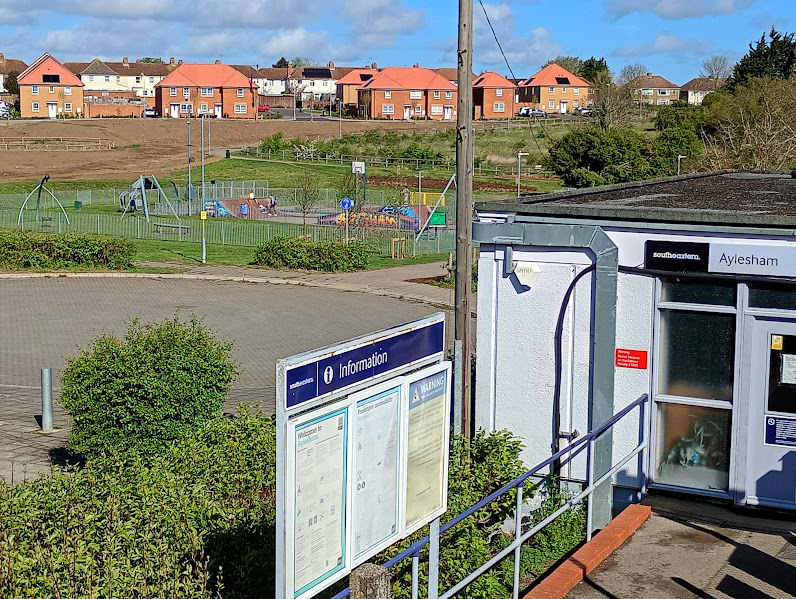
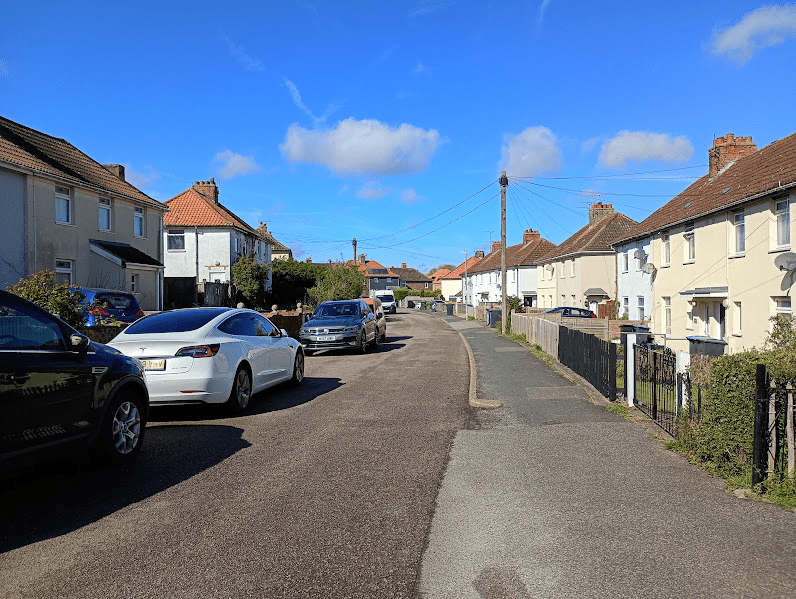
Aylesham may not be a pretty village, but it does have an interesting history, as it was built in the 1920s to house miners, following the discovery of coal in the area, with the first families moving there in 1927. Kent had no miners of its own because there were no coal fields prior to this, so they were brought in from established mining communities in other parts of the country, and needed somewhere to live. It was an ambitious project and Sir Patrick Abercrombie, an important town planner of the time, was commissioned by the mine’s owners to design a town with a population of up to 15.000 in 3.000 houses, and his vision was to build semi circular main roads, with smaller roads radiating from them. The development never happened on quite the scale originally envisaged and by the 1960s there were still only about 1000 houses, although a recent development of Aylesham Garden Village on the edge of the original village (still following Abercrombie’s design after all these years) has seen it double in size.
We got a bit confused by the new builds as we left the station and started heading the wrong way, but a quick check of google maps and we were soon walking along the original residential streets for a quick coffee to set us up for the day. Several people wished us good morning as we passed, and I immediately felt guilty for not wanting to go there!
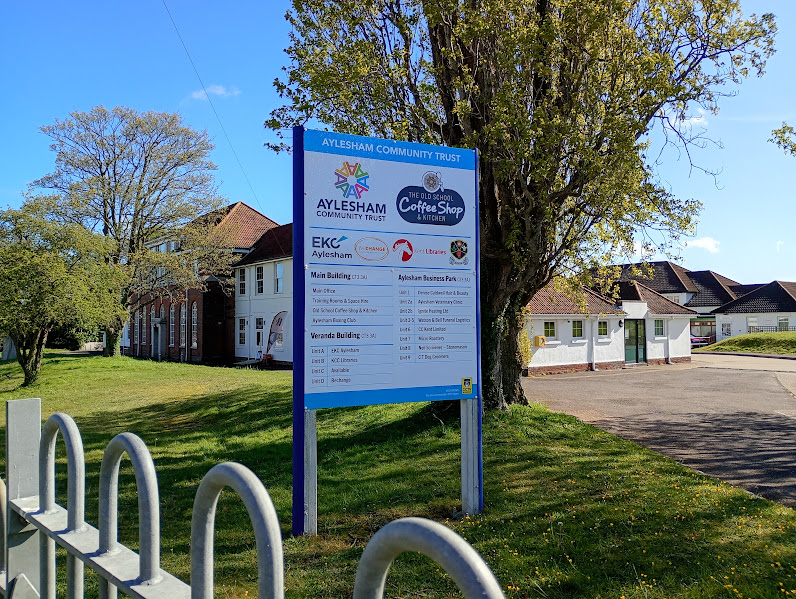
We were heading to the Old School Coffee House, housed in the former secondary school which closed in 1992. The building is now owned by the Aylesham Community Trust, and has meeting rooms and space for small businesses as well as the cafe. They are a not for profit charity and all their income is reinvested to support community groups and local people.
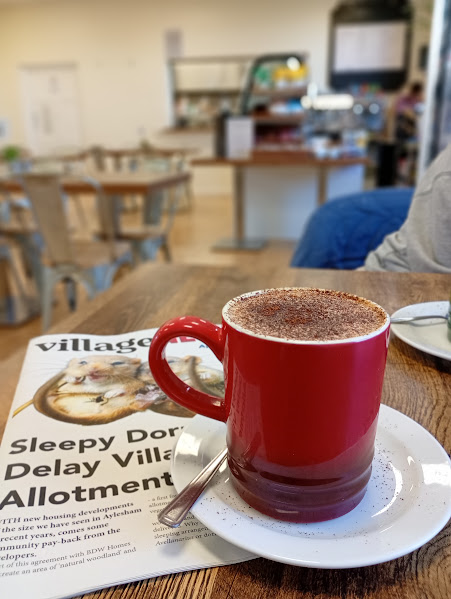
We were keen to support them, plus knew the coffee would be good as our research beforehand revealed that the beans are ground on site by the owners of one of our favourite coffee shops in Canterbury (the Micro Roastery). It didn’t disappoint. The cafe was very nice inside and they were doing a brisk trade, with a range of customers – from builders tucking into breakfast, family groups and women having a catch up over a coffee. It had a very community feel. There were even copies of the Village News to browse.
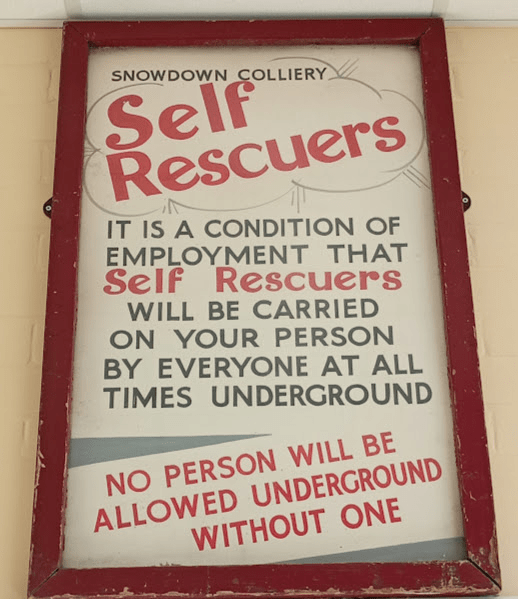
A wander along the old school corridors to the toilets gave us the opportunity to see some of the mining memorabilia on the walls, reminding us what this village is all about.
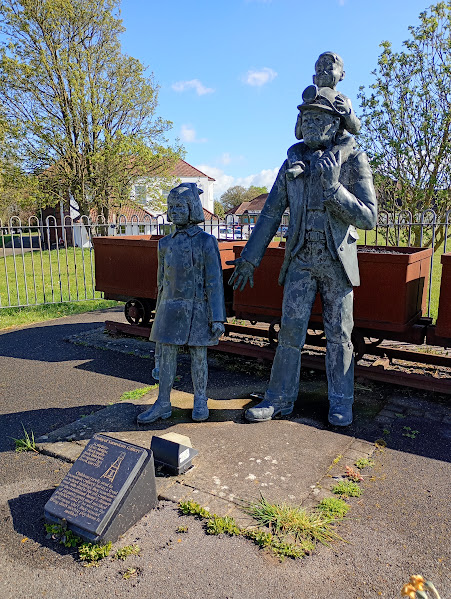
Outside the building was a statue – Payday at Snowdown Colliery – which is a tribute to all those who worked there. A plaque explained that it represents two children going to the colliery canteen with their father during the school holidays, for a traditional miners meal of pit pasty, peas and mashed potatoes. Snowdown was one of four East Kent collieries in Kent (the others being Betteshanger, Tilmanstone and Chislet), but it was the deepest, hottest and most humid. Nicknamed Dante’s Inferno by the miners, it was considered to be one of the worst pits in the country to work in before it ceased operations in 1987.
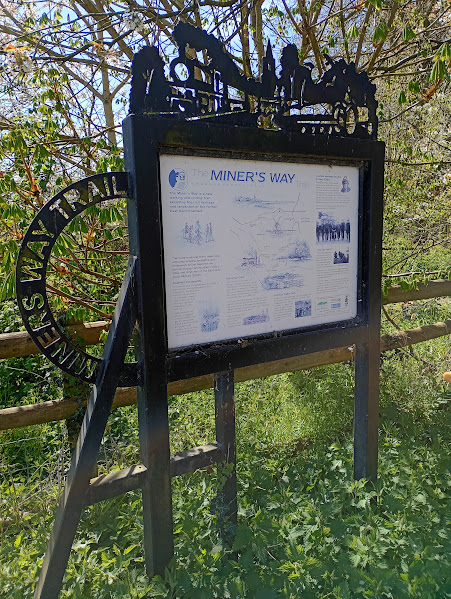
Our walk was going to follow some parts of the Miners Way, (a 28 mile walking route linking former coal mining communities) as well as other local footpaths, and we began back near the station.
We were more or less instantly in the countryside, walking across fields with skylarks soaring above us to the neighbouring village of Nonington. I had only recently discovered that the collective noun for a group of skylarks is an exaltation, and as well as being happy to share my knowledge, I was also happy to listen to their song as they sang above us.
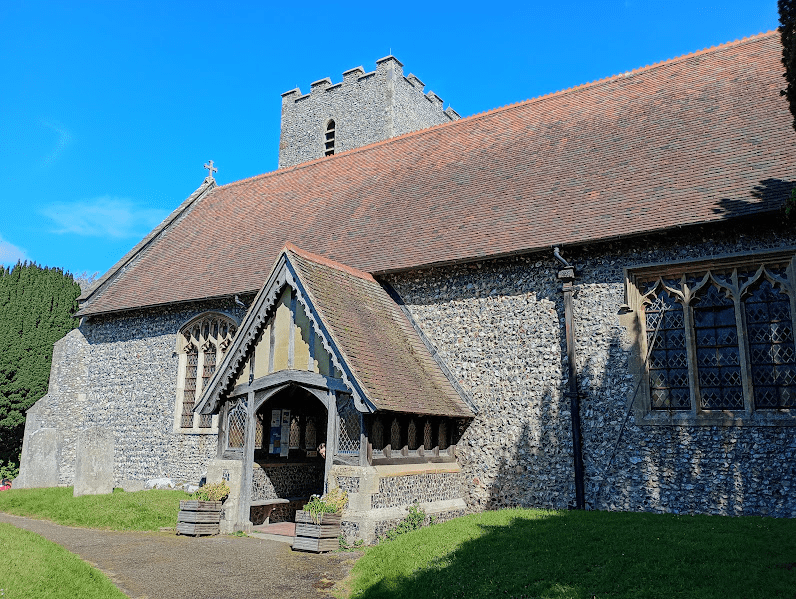
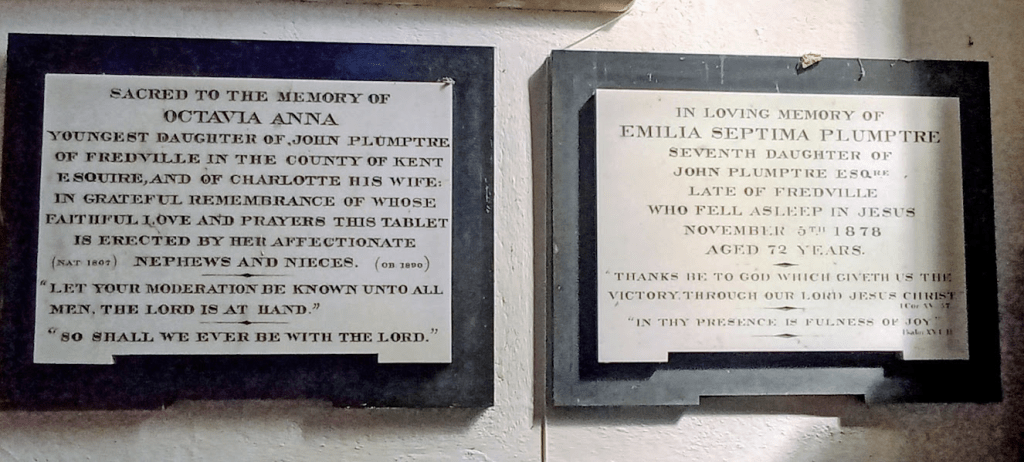
We looked inside the church which was full of memorial tablets, and it was interesting to discover that on either side of the chancel there were competingly splendid memorials to the two wealthiest land owning families in the district, both with very grand country houses – the Plumptres of Fredville Park (see later!) and the Hammonds of St Alban’s Court – although it was those to Emilia Septima Plumptre, the seventh daughter, and Octavia Anna Plumptre, the youngest (and presumably eighth) daughter which particularly caught our eye – and made us wander what the names of the other six had been! (Fun fact, their father John had been a suitor of Jane Austen’s cousin, Fanny Knight, who lived nearby at Godmersham Park, between Canterbury and Ashford!)
(St Alban’s Court didn’t feature in our walk but such is its history that there was a commemorative book in the church all about it! The house had been home to the Hammond family for over 400 years, and when it was sold in 1937, it was bought by the English Gymnastics Society as a training college for female PE teachers (renamed as Nonington College). The college was taken over by Kent County Council in the 1950s – male students, incidentally, were admitted in the 60s. – and when it finally closed in 1986, it was purchased by the Bruderhof religious community and had another new name, this time Beech Grove.)
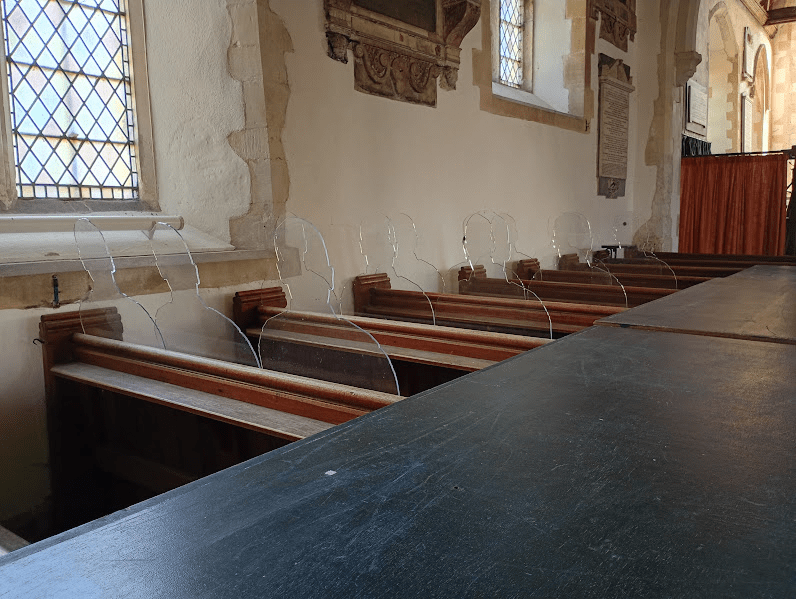
Back to the church, and in keeping with the memorial theme, in the side aisle were perspex silhouettes representing the soldiers who went off to fight in WW1 and never returned – part of the ‘There But Not There’ nationwide remembrance project for the centenary of the Great War. These are always poignant, but seemed particularly so in such a small village as Nonington where almost every household must have been affected.
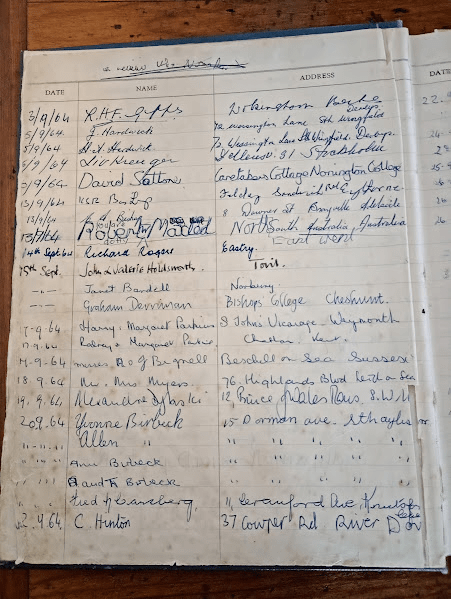
We always like to sign a church visitors book, and enjoy looking back to see where others have come from. We were astonished to find that this one dated back to 1964 and so was older than me!
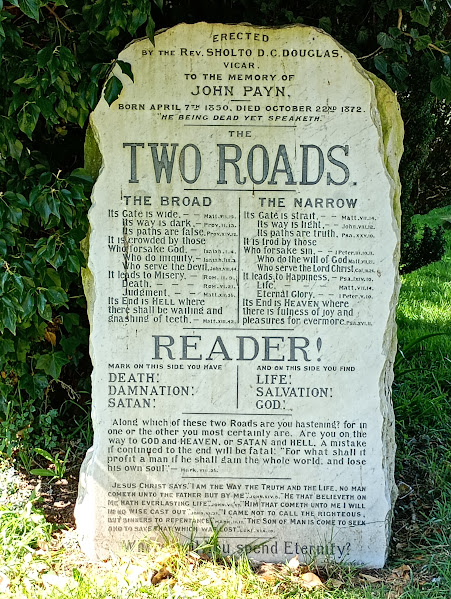
Outside I was keen to seek out an unusual tombstone. We found it just across the road, conveniently sited right by the gate/wall. It was erected by the vicar at the time for 22 year old John Payn. It would have been quite some work for the stone mason and serves as a warning for all who stop to read it!
Just across the road was a beautiful 15th century timbered cottage,
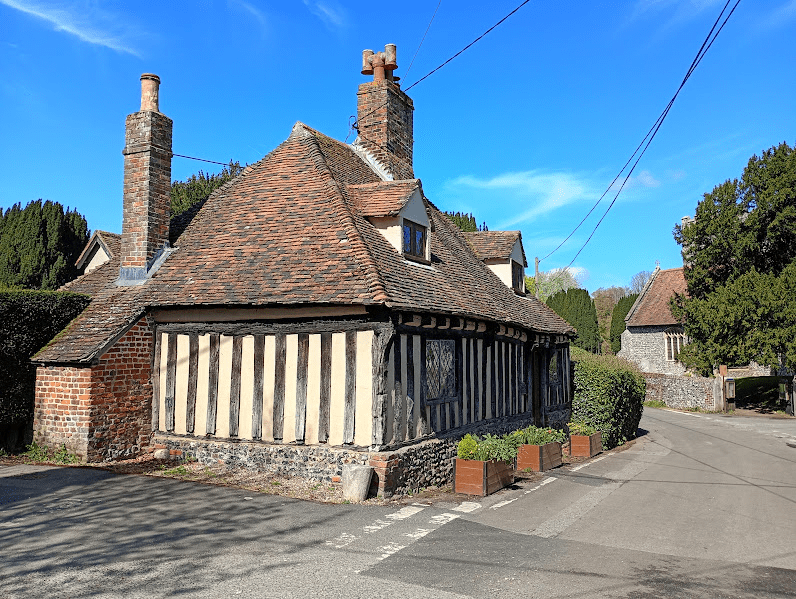
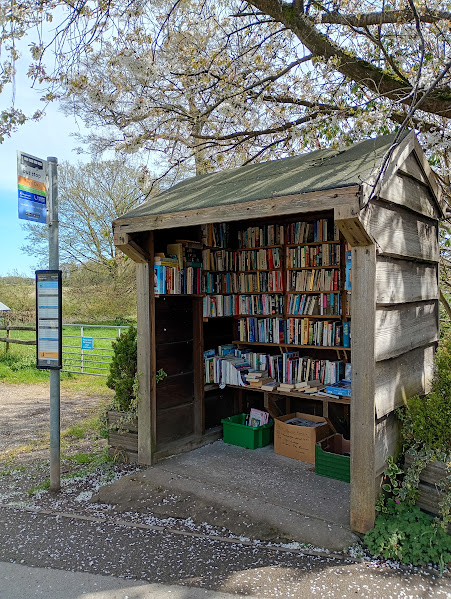
and from there we headed to Easole Street, which seems to be part of Nonington, but also a hamlet in its own right. The bus shelter had been turned into a book stall, so we naturally had a peruse although no purchases were made. (A couple of helpful old ladies walking past while I was behind the shelter reading a plaque, did inform my daughter that she would have a long wait for a bus as the service was so infrequent!. Just as well we were walking!)
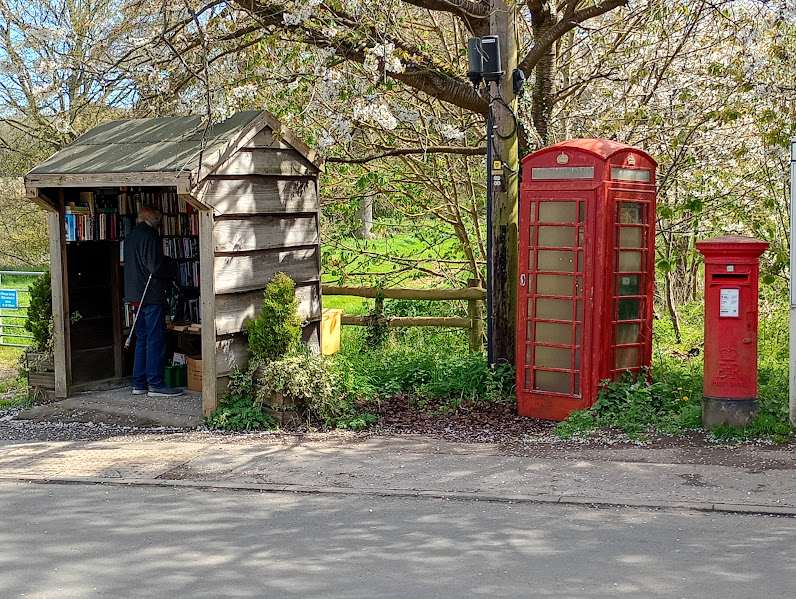
With a red telephone box and a postbox right next door, can you get anything that looks more English?
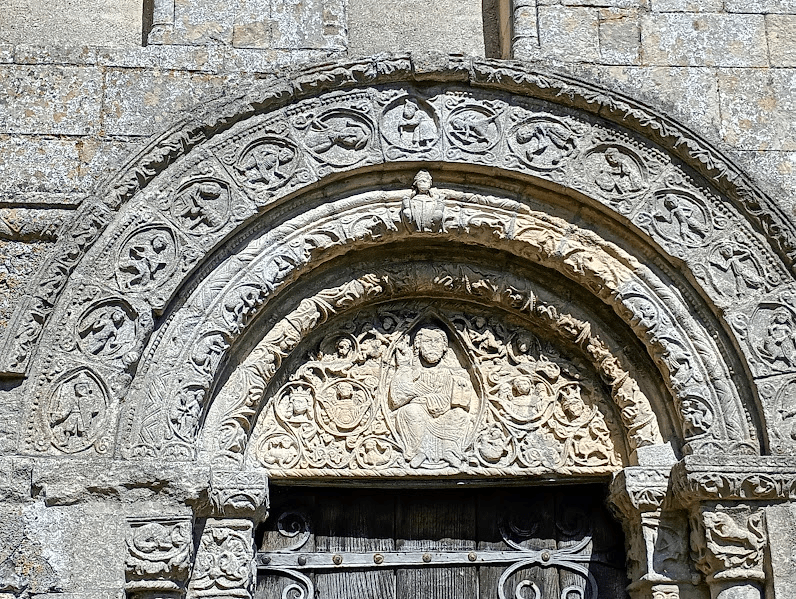
We then followed a footpath to Barfrestone, where the church is considered to be one of the finest Romanesque (aka Norman) churches of its type in the country. It has over 100 amazing stone carvings dating from between 1180 and 1185, with the south door being particularly beautiful. The lower half of the church is built of flint, but Caen stone was specially imported from France at great cost (the same stone that Canterbury Cathedral is built from) for the carvings on the upper half because no English stone was suitable for such a purpose. It seems strange that a small church in a tiny hamlet should be built from such expensive stone, but the land was owned by a Norman knight (Hugo de Part), and it is likely that it was done to show off his great wealth.
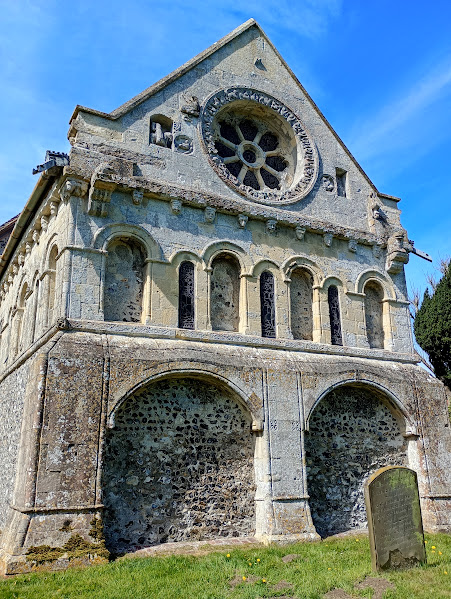
There was a line of gargoyles running all the way around the outside,
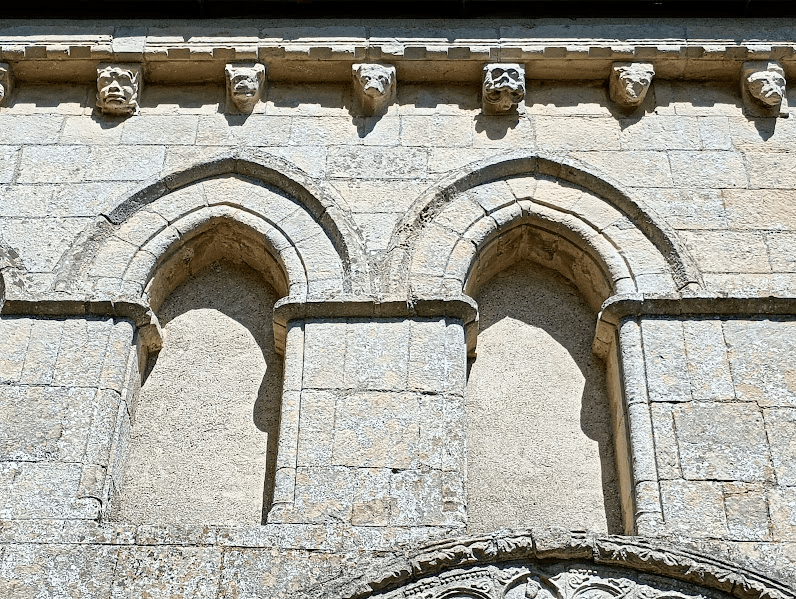
but the carvings above the south door are the main attraction.
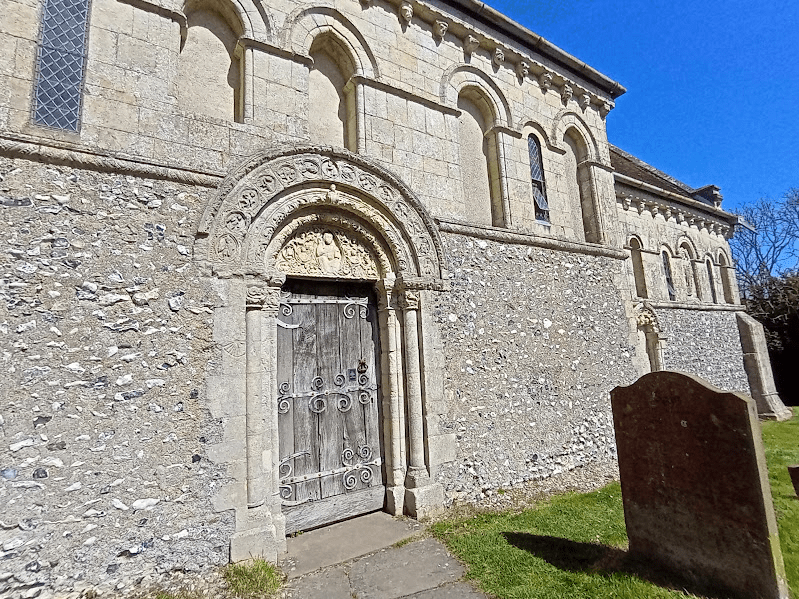
The inner arch has foliage, the middle arch has animals – both real and imaginary – playing musical instruments, and the outer arch has signs of the zodiac and scenes of medieval life. In the centre is Christ sitting on his throne. It is a truly remarkable piece of craftsmanship, and incredible to think that such intricate detail is over 800 years old.
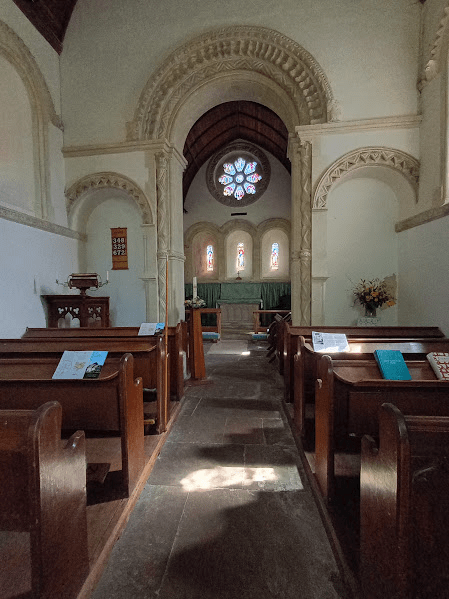
Although the inside of the church is quite plain, there are more intricate carvings on the chancel arch. and a rare example of a 12th century wheel window – apparently these have only survived in a handful of churches. (Interestingly, given that there are so few, there is another one local to us in the village of Patrixbourne.)
I didn’t realise until afterwards that, because the church has no tower, the bell is hung in a yew tree in the churchyard, and is rung by means of a pulley system which links to the inside of the church. I need to go back now to see it!
From here we linked back up with the Miners Way trail through Fredville Park. I was very excited about this as we went for an organised tree walk (also run by the White Cliffs Countryside Project as a Green Gang event) when my children were small, and although I have always wanted to return, I assumed it would be impossible once I no longer had a car. Here I was back again!
This was the gate keepers cottage in Frogham. Not only was it super cute with its thatched roof,
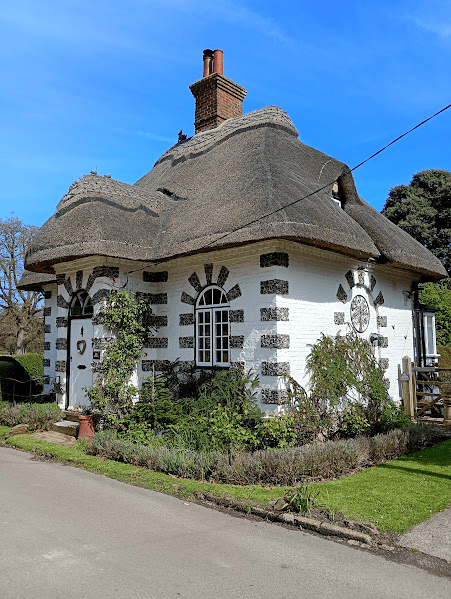
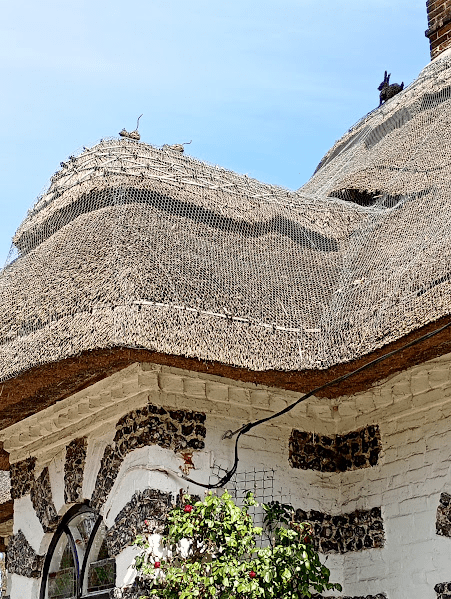
but it had a hare and two mice (or rats) also made out of thatch, on the roof as well. Utterly charming.
And here’s the footpath which runs straight through the parkland of Fredville Park. The estate is still owned by the Plumptre family, although the original house was accidentally burnt down whilst occupied by the military in 1845. I bet they were popular!
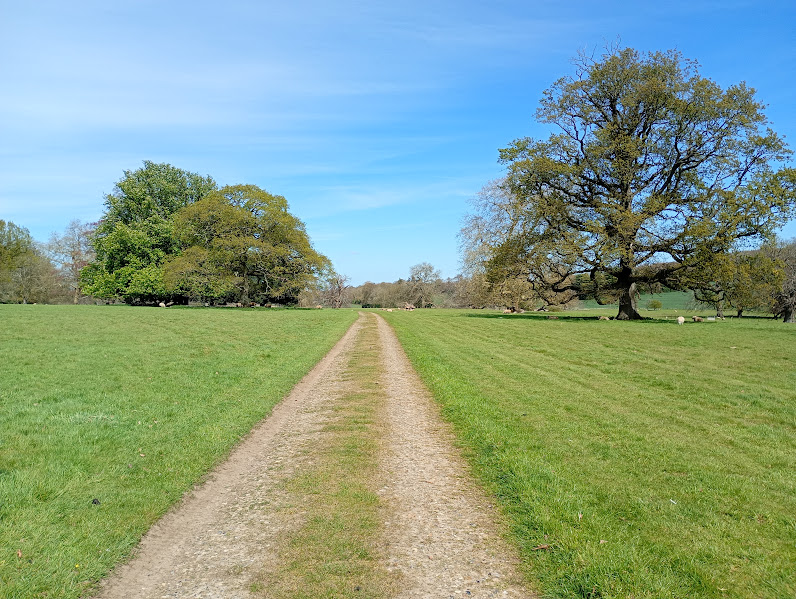
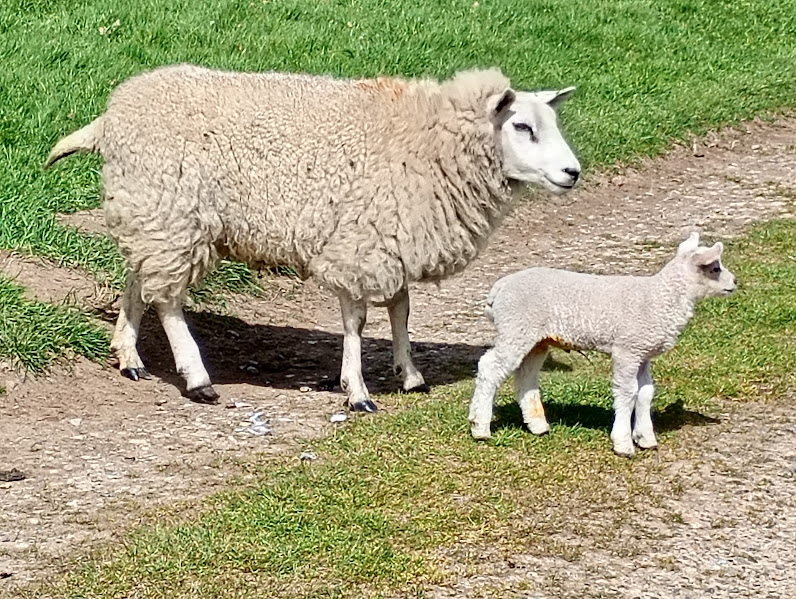
As we dd the walk back in the spring (it has taken me a very long time to get round to writing about it!) there were a lot of sheep and lambs.
Fredville is renowned for its ancient trees (which is something that I didn’t actually know when we did the tree walk way back when – though they probably told us at the time and I then forgot*). Its particular claim to fame is the Majesty Oak, which is the biggest and possibly oldest oak tree in the country, if not Europe! It was already attracting visitors in the 1500s so must be considerably older than that in order for it to have already been a draw. Unfortunately, you can’t see it from the public footpath which was rather disappointing, but we are good girls who don’t go wandering around on private property, however tempting it might be.
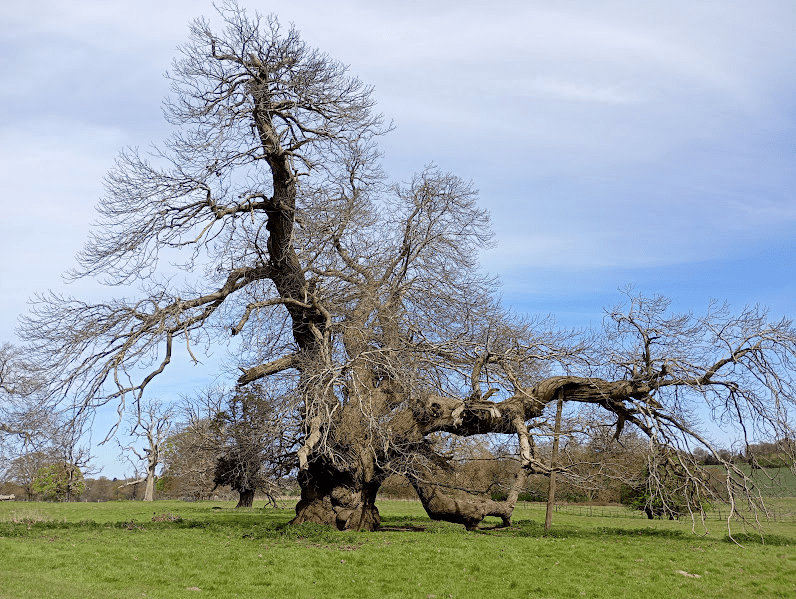
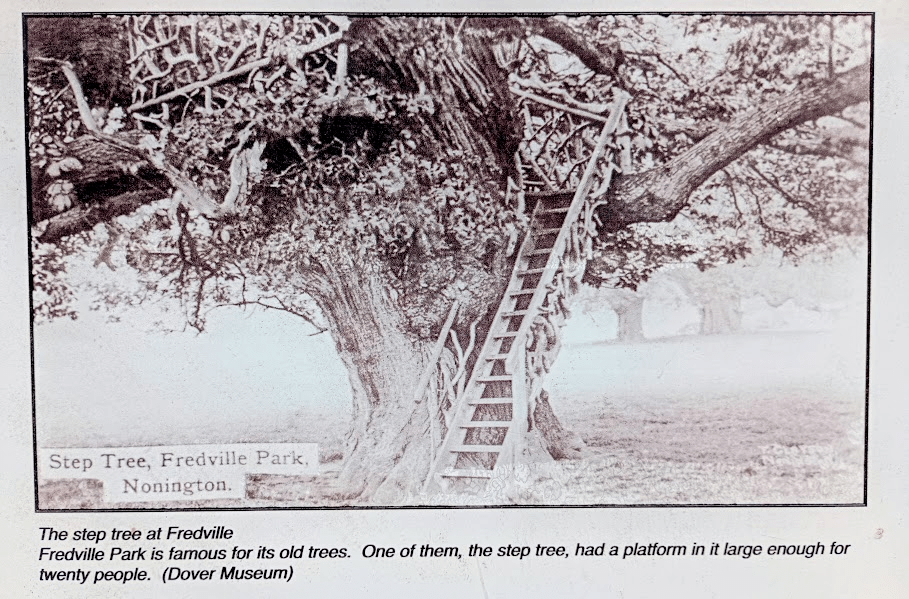
We did see what we thought was the Step Tree though. This was basically once a huge tree house, built into a chestnut tree with steps up the trunk and a platform big enough to hold twenty people. So big that the family used to host tea parties up there. How wonderful would that have been!
Here’s a photo of the Step Tree in its prime, taken from an information board we passed.
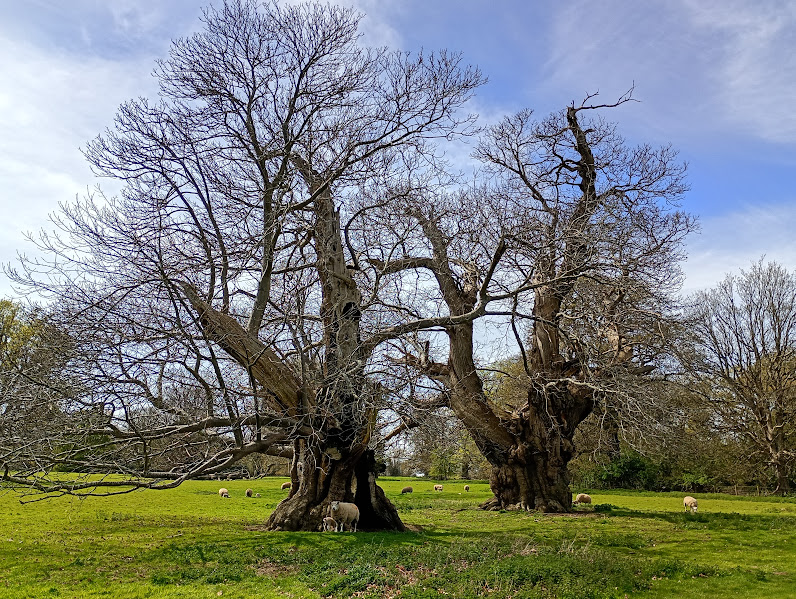
There used to be a whole avenue of chestnut trees through the park from Frogham to Holt Gate (which is where the public footpath now runs) and I’m assuming that these are two more of those ancient trees, though with no leaves on at the time, I couldn’t be certain.
(* Edited to add that, intrigued to know more about our earlier visit, I dug out the Junior Ranger nature notebooks that my children kept at the time to see what they had written. Only my eldest, then aged 8, had recorded it in an undated (but sometime in 2005) account.
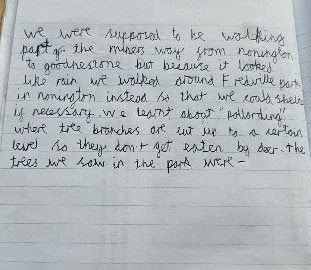
I was surprised to see that it hadn’t been an organised tree walk at all, but was supposed to be a Miner’s Way walk, back when the trail had only just been created (by the White Cliffs Countryside Project, so that makes sense), but what were those trees that we had seen? He didn’t record them. Frustrated, and wanting to know whether we had seen – or been told about the Majesty Oak – I decided to rummage about in the bottom of my wardrobe for my 2005 diary. (I have kept a diary since 1977 and so there are a lot of them). I tracked the day down to 31st May and was expecting to find that I’d gone into raptures about it. Instead, I discovered that I had said even less about it than my son, commenting only on the fact that we had gone to Fredville Park instead of walking part of the Miner’s Way because of the threat of rain “to look at the trees that were very old”. This may have been because I had much more to say about an incident involving said son on that same afternoon which I won’t reveal here, but I’m sure that had I seen the largest/oldest tree in Britain, it would have got a mention. However, the fact that I remembered the park so fondly over twenty years later, suggests that the visit must have made more of an impression on me than I let on.))
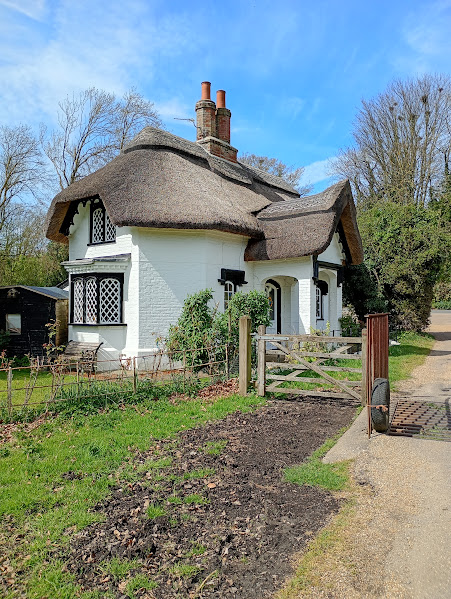
But back to the present time and on with the day. At the end of the footpath, we found another cute thatched gate keepers cottage at Holt Gate, by which we left the park. No thatch animals on this one but still very lovely.
From this point, we retraced our steps back into Nonnington, and now that we were on the home leg, I decided to stop and buy some eggs from a local farm.
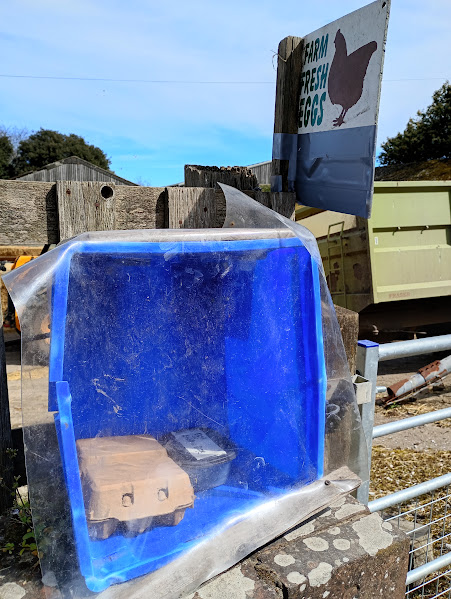
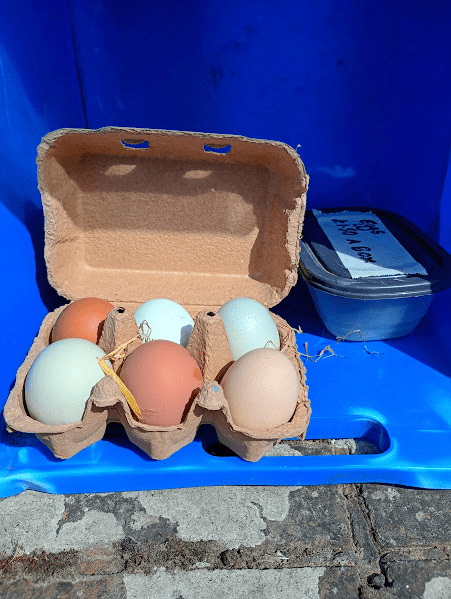
What a lovely surprise when I opened the box to check that there were no breakages, and discovered some blue eggs inside. They were definitely coming home with me!
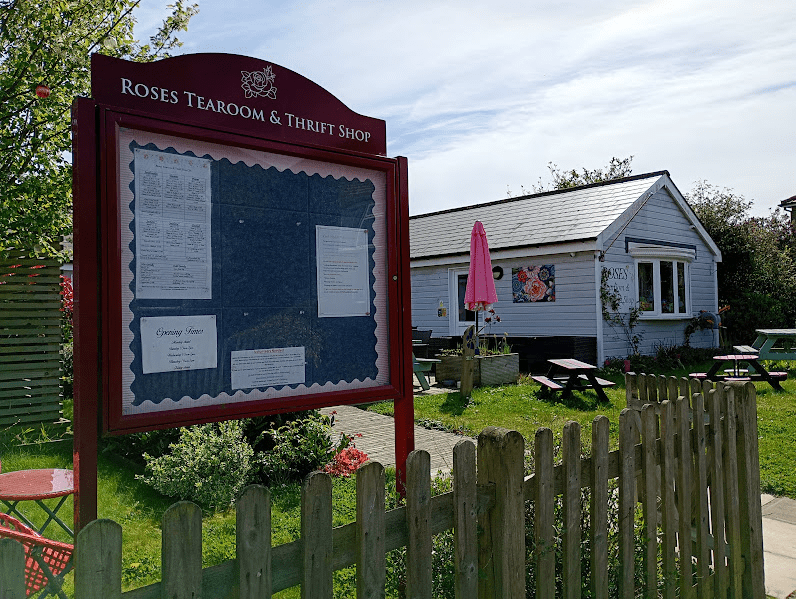
It was 2.05pm by the time we reached Aylesham. We needed sustenance before checking out the centre of the village and were excited to try another cafe – Roses Tearooms and Thrift Shop, which is also another community cafe. We love a well rated cafe and we love a charity shop, so what could be better than a combination of the two? Well, we didn’t find out because it had closed at 2pm and the staff were clearing away the outside tables! Very frustrating.
We were hungry and we needed a sit down, but we still hadn’t actually done justice to the village that we were supposed to be exploring on our ‘A’ mission, so unrefreshed, we pressed on to the Market Place. There was a small parade of shops, including another cafe – kind of impressive that there are three eateries – but unfortunately it seemed to be a bit more of a burger joint which wasn’t really what we wanted.
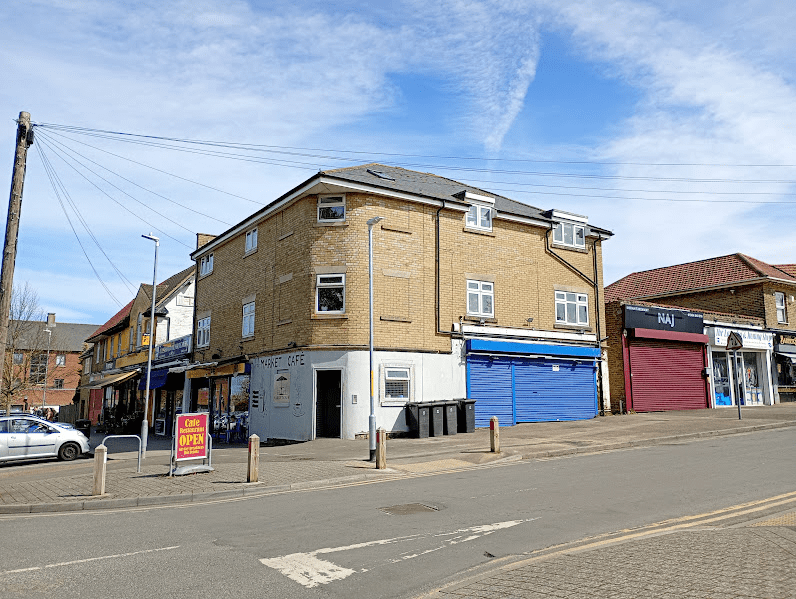
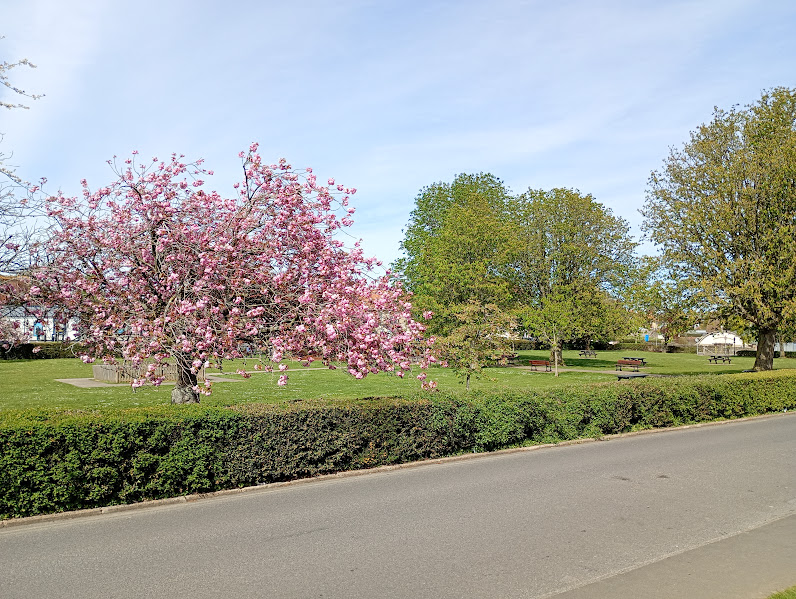
The Market Place was built to be the central heart of the village, and there is a village green in the middle where children were playing and dog walkers were chatting. I read that a Co-op was the first shop to open in the village and, whether it is a coincidence or not, there is still a Co-op there today.
We crossed over to have a look and found a miners memorial, with an original Snowdown Colliery pit wheel
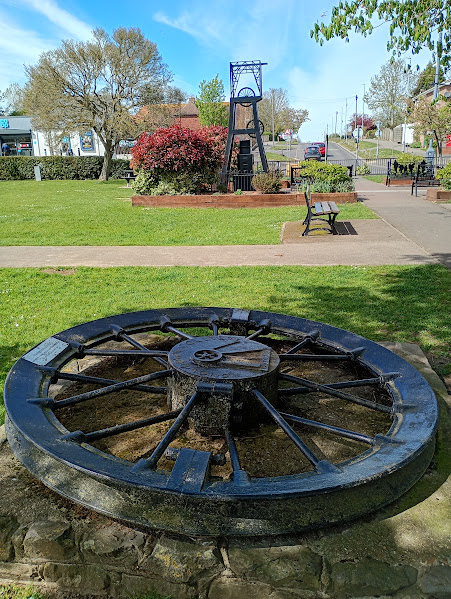
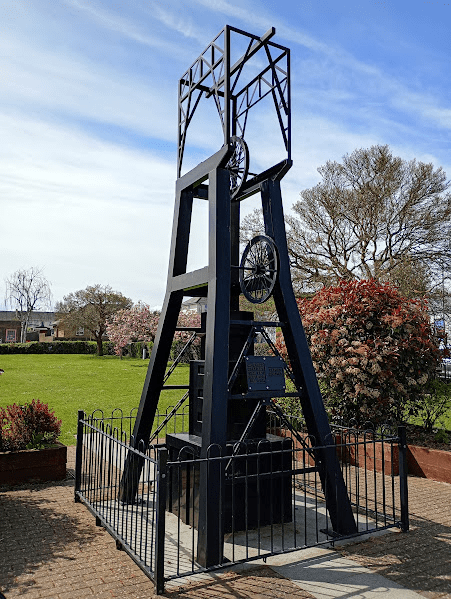
and a replica heapstead – the structure around the colliery shaft that contains the winding wheel. Aylesham is rightly very proud of its mining heritage, although it is fundamental to its very existence, and has shaped its economy, community and identity.
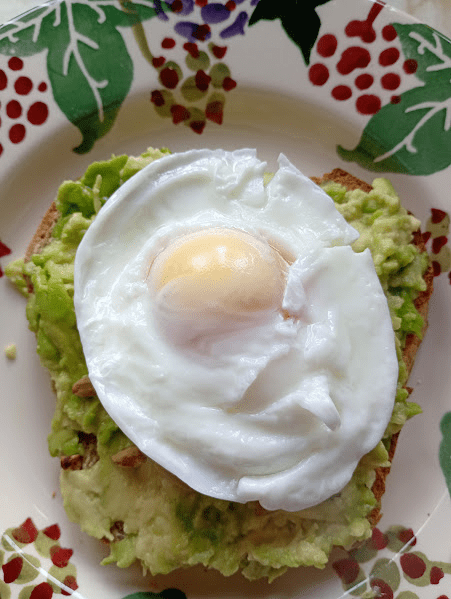
At this point we might have nipped into the Co-op for a snack, but with just enough time to get to the station for the one an hour train, we bid farewell to Aylesham and headed home for avocado on toast topped with one of newly purchased blue eggs, which was a fitting end to our visit.
So, I realised that I had done Aylesham a massive disservice. I learnt a lot more about its history, and although I wouldn’t necessarily go back just to visit the village itself, the walk was so good that I am keen to do that again and, in so doing, will be returning to the coffee shop (according to their reviews they do a very good Sunday roast as well as great coffee) and/or trying out Roses Tearooms (and thrift shop!) while I’m there. Picking a random letter A proved to be very rewarding and I can’t wait for the letter B!
You can read B is for Bekesbourne here


Leave a Reply